

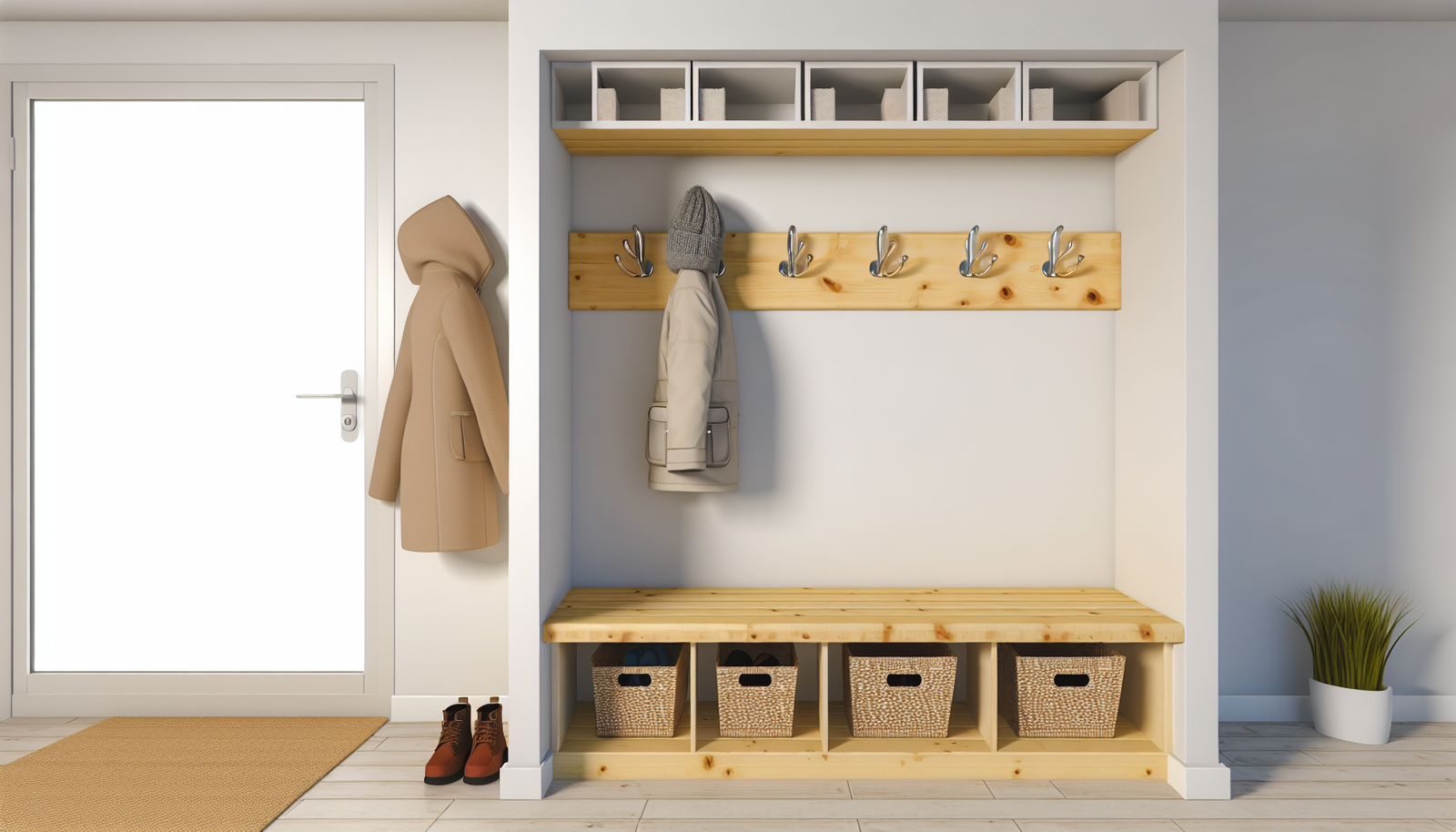
Transforming a cluttered entryway into a functional and inviting mudroom can boost both organization and curb appeal, especially in small homes. This article explores creative mudroom ideas—focusing on benches and smart designs for limited spaces—that blend utility and aesthetics, helping you make the most of every square foot in your entrance area.
Understanding the Mudroom: Purpose and Evolution
The mudroom has long served as a crucial threshold between the outdoors and the home’s interior, embodying both function and thoughtful design. Historically, grander homes featured substantial entry vestibules or lobbies—spaces that functioned as a buffer zone to minimize heat loss and provide guests a place to shed coats and boots before entering principal living areas. In countryside estates and traditional farmhouses, these transition spaces were essential in preventing mud, dirt, and chill from infiltrating warm, clean interiors.
As architectural trends shifted and urban living led to smaller footprints, the expansive vestibule evolved into the more compact and utilitarian mudroom we recognize today. Yet, its core purpose endures: to simplify the process of coming and going, safeguard interior cleanliness, and manage clutter. Modern mudrooms may be petite, squeezed into a hallway’s niche or framed within a corner near the back door, but their impact is significant.
The practical function of a mudroom lies in its capacity to organize the chaos that often accompanies household arrivals—coats, shoes, backpacks, pet supplies, and keys all find a designated niche here. Benches became natural additions, both as a place to sit while removing footwear and as essential storage solutions, often housing baskets or drawers for added utility.
Moreover, small mudrooms are now designed with stylish intent, blending into open-plan layouts or adapting to multigenerational needs. They act as silent sentinels against outside mess, helping to minimize cleaning time and prevent tracking dirt throughout the home. As open layouts became popular, the challenge shifted toward making these spaces both visually cohesive and highly functional, resulting in inventive uses of cabinetry, finishes, and multipurpose benches to address spatial constraints while complementing home decor.
Space Saving Strategies for Small Mudrooms
Embracing the spatial limitations of today’s compact mudrooms calls for a measured and inventive design approach. Space-saving strategies start with a critical assessment of every square inch, ensuring that both style and function are harmoniously preserved. When working with a narrow or petite entryway, vertical storage quickly proves indispensable. Tall cubbies, wall-mounted hooks, and overhead shelves capitalize on height rather than width, giving inhabitants a designated spot for coats, bags, and accessories without consuming valuable floor space.
A bench enhances utility further when it incorporates hidden storage beneath the seat. Sliding baskets, pull-out drawers, or built-in cubbies keep shoes and seasonal gear close at hand yet neatly tucked away, reducing visual clutter and promoting a sense of order. For truly compact mudrooms, consider floating benches or slim-profile seating that appears airy and minimally invasive, allowing for easier cleaning and fluid foot traffic.
Careful spatial planning is key; traffic flow must remain uninterrupted regardless of the mudroom’s size. Keep functional zones clearly defined: dedicate sections of even the smallest mudroom for sitting, hanging, and storing, using dividers or contrasting finishes for subtle boundaries. Consider the circulation path from door to neighboring rooms and arrange furniture to prevent bottlenecks or occlusion.
Visual harmony is maintained with a restrained palette and repetition of materials—light or neutral colors can make tight entryways feel brighter and more expansive. Open shelving or glass-fronted cabinets introduce storage without overpowering the senses, keeping the area welcoming rather than crowded. Thoughtful placement of mirrors can reflect natural light and create an illusion of depth, maximizing every element’s contribution to both form and function. In such environments, even the smallest design choices have a profound impact on everyday efficiency and style.
The Central Role of Benches in Mudroom Design
In compact mudrooms, the presence of a well-chosen bench isn’t just about convenience—it’s a strategic design decision that amplifies both functionality and visual harmony. A bench is more than a seat: in tight spaces, it bridges the practical with the stylish, creating an intentional centerpiece that organizes the entryway without overwhelming it. The type of bench you select can have a profound effect on how well the mudroom performs.
Built-in benches are a go-to for maximizing every inch of a small nook. Custom-fitted to the dimensions of your entry, they create a seamless look and often include hidden storage beneath the seat. These are perfect in ultra-narrow areas where freestanding furniture would eat up precious floor space. Meanwhile, storage benches offer discreet compartments—think pull-out drawers or lift-up lids—to tuck away shoes, bags, or seasonal gear. Their multi-functionality reduces the need for separate cabinets, keeping the footprint minimal and clutter at bay.
For those who prefer a lighter aesthetic, open-shelf benches are an excellent choice. They provide surface seating while allowing baskets or bins underneath for easy-access storage. Open designs also help visually expand the room, maintaining an airy feeling even in small quarters.
Selecting the ideal bench means balancing your space needs, daily routines, and personal taste. For high-traffic homes, durable and easy-to-clean surfaces are critical. If you want the mudroom to serve as a family drop zone, opt for ample storage within the bench. Alternatively, if visual calm is the priority, streamlined shapes and neutral finishes will seamlessly integrate with the room’s design.
Ultimately, the bench anchors the mudroom’s style and utility. It draws the eye, organizes entry tasks, and, when thoughtfully chosen, ensures that every moment spent in your compact mudroom feels considered and comfortable.
Incorporating Aesthetics: Materials, Colors, and Decor for Small Mudrooms
Selecting the right materials, color palette, and decorative accents is key to creating a small mudroom that feels both spacious and inviting, even when space is at a premium. Durable yet stylish materials are essential: natural wood benches add inviting warmth, while painted or stained finishes offer additional versatility. For a modern or industrial vibe, metal bench frames and hardware increase durability and contrast beautifully with softer accents. If comfort is a top priority, upholstered bench cushions in performance fabrics are easily cleaned and lend a tailored look.
When choosing colors, lighter tones like soft whites, gentle greys, and pale blues or sage green help reflect light, visually opening up even the narrowest entryways. Glossy paint finishes on cabinetry or beadboard wall panels can also add subtle brightness. For those who prefer more saturation, consider deep navy or forest tones as an accent on a single wall, bench, or cabinetry, balanced by lighter surroundings to prevent a closed-in feel.
Decor should seamlessly blend function and flair. Strategically placed hooks—choose matte black, brushed brass, or wooden pegs—keep coats and bags accessible while acting as sculptural elements. Open baskets beneath the bench made of rattan or wire serve as catch-alls for shoes and accessories, adding natural or industrial texture. Wall-mounted cubbies, slim floating shelves, or even a small vertical mirror maximize vertical space and contribute to a curated look. Add personality through a boldly patterned seat cushion, woven runner, or petite piece of art; just take care to avoid clutter.
The key to balancing practicality with aesthetics is thoughtful editing: every element should serve a purpose and echo your personal taste, ensuring the mudroom remains a cohesive extension of your home rather than an afterthought.
Maintenance Tips and Smart Upgrades for Lasting Mudroom Organization
Maintaining a small mudroom’s neatness and efficiency requires establishing routines and implementing strategic upgrades. Begin by setting a weekly refresh schedule: quickly wipe benches, shake out mats, and empty baskets to prevent clutter buildup. Assigning a spot for every item keeps things under control, especially in compact areas prone to becoming catch-all spaces. Label bins and hooks to remind everyone where shoes, scarves, or sports gear go, making it easier for the entire household to participate in upkeep.
Investing in smart upgrades ensures the space adapts to shifting needs. Adjustable shelves let you alter storage height for boots in winter or sandals in summer. Consider modular storage solutions: stackable cubes or bench drawer inserts that flexibly expand as your family or hobbies grow. A shoe bench with concealed storage beneath helps contain daily messes and keeps entryways feeling open. Replacing standard mats with heavy-duty, waterproof ones is crucial for withstanding wet, muddy footwear. Mat longevity can be extended by washing inserts and vacuuming beneath regularly.
Seasonal transitions are an opportunity to reassess what’s housed in the mudroom. Rotate out-of-season accessories and sports gear to another closet or storage area, keeping only what’s immediately necessary at hand. Use clear bins or labeled baskets to corral off-season items, ensuring easy retrieval when weather changes. In rainy or winter months, add a boot tray and hang a small towel or mitt for quick cleanups. For spring and summer, swap in slimmer mats and store umbrellas or rain jackets where they’re easy to grab.
By staying proactive, periodically editing contents, and embracing flexible storage upgrades, a small mudroom can stay streamlined and stylish, no matter what each season brings or how busy your household gets.
Conclusions
Effective mudroom design can transform even the smallest entryway into an organized, welcoming, and stylish space. By incorporating benches, thoughtful storage, and visually appealing decor, homeowners can maximize utility and curb appeal. With regular maintenance and smart upgrades, a compact mudroom stays tidy and efficient, enhancing daily routines and making a strong first impression.